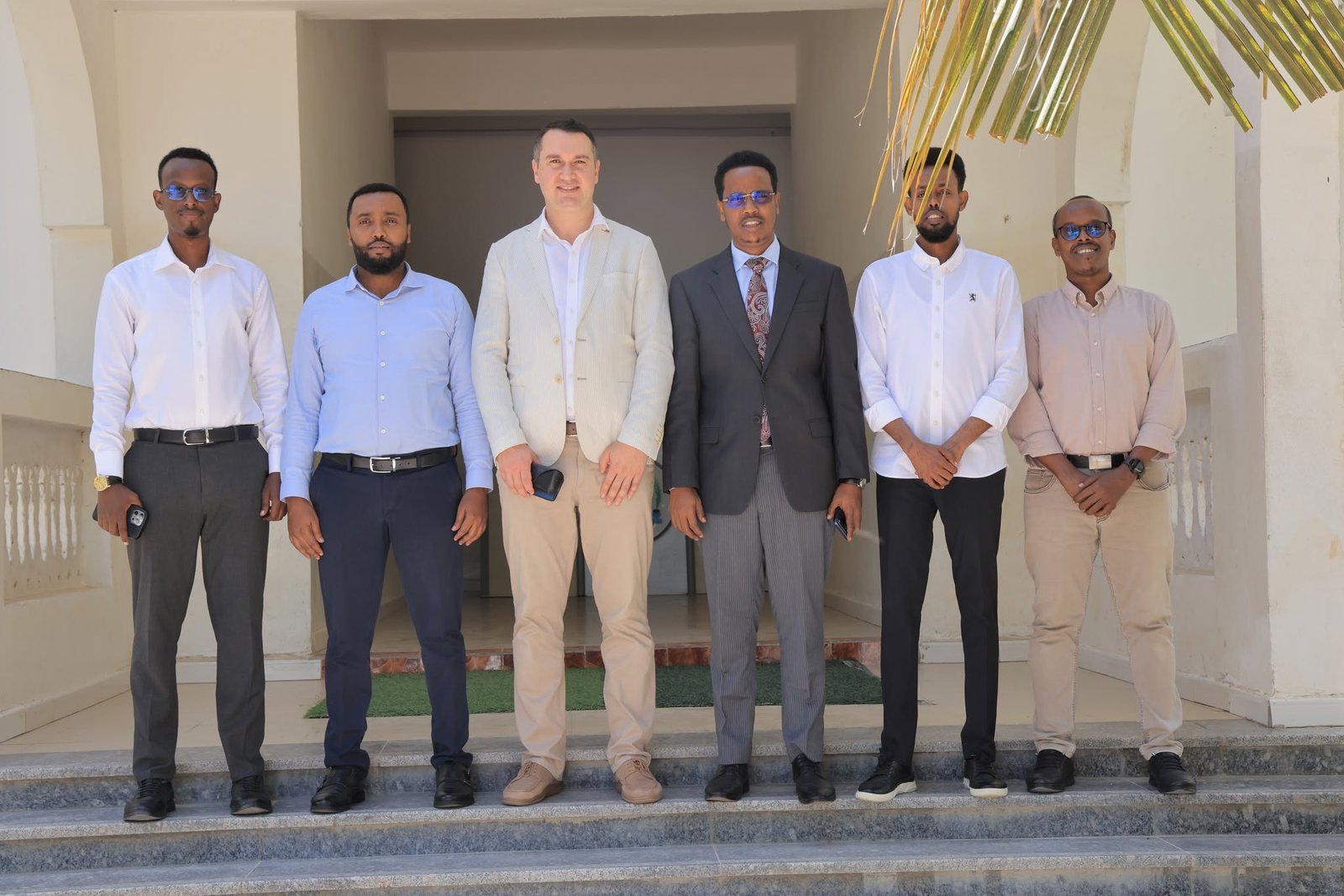
SIMAD provides opportunities for students and staff to participate in Erasmus+ mobility programs with partner universities. Through these exchanges, participants can engage in international teaching, training, and study experiences while strengthening academic cooperation and global engagement.
SIMAD supports the py with partarticipation of academic and administrative staff in Erasmus+ International Credit Mobilitner universities. Staff mobility provides opportunities to undertake teaching assignments (STA) or participate in training activities (STT) at partner institutions, strengthening academic cooperation and international engagement.
Academic and administrative staff members of SIMAD may apply for Erasmus+ mobility opportunities with partner universities.
Staff mobility under Erasmus+ includes two main types:
Academic staff may deliver lectures, seminars, or teaching sessions at partner universities.
Administrative or academic staff may participate in training activities, workshops, or professional development programs organized by partner universities.
Mobility opportunities are announced by the Office of International Cooperation.
Interested staff members submit their application and required documents.
Applications are reviewed and selected based on eligibility and available mobility opportunities.
Selected staff members are nominated to the partner university.
A Mobility Agreement for Teaching or Training is prepared and approved before the mobility period begins.
Erasmus+ mobility provides financial support to selected participants. The grant typically covers:
The amount of the grant is determined according to Erasmus+ mobility guidelines and the agreement with the partner university.
We provide guidance and administrative support to staff participating in Erasmus+ mobility. This includes assistance with required documentation for visa applications and coordination with the host institution regarding accommodation arrangements. The host university typically provides information and support related to accommodation options and local arrangements during the mobility period.
During the mobility period, participants may engage in activities such as:
Office of International Cooperation
international@simad.edu.so
+252 61 5655445
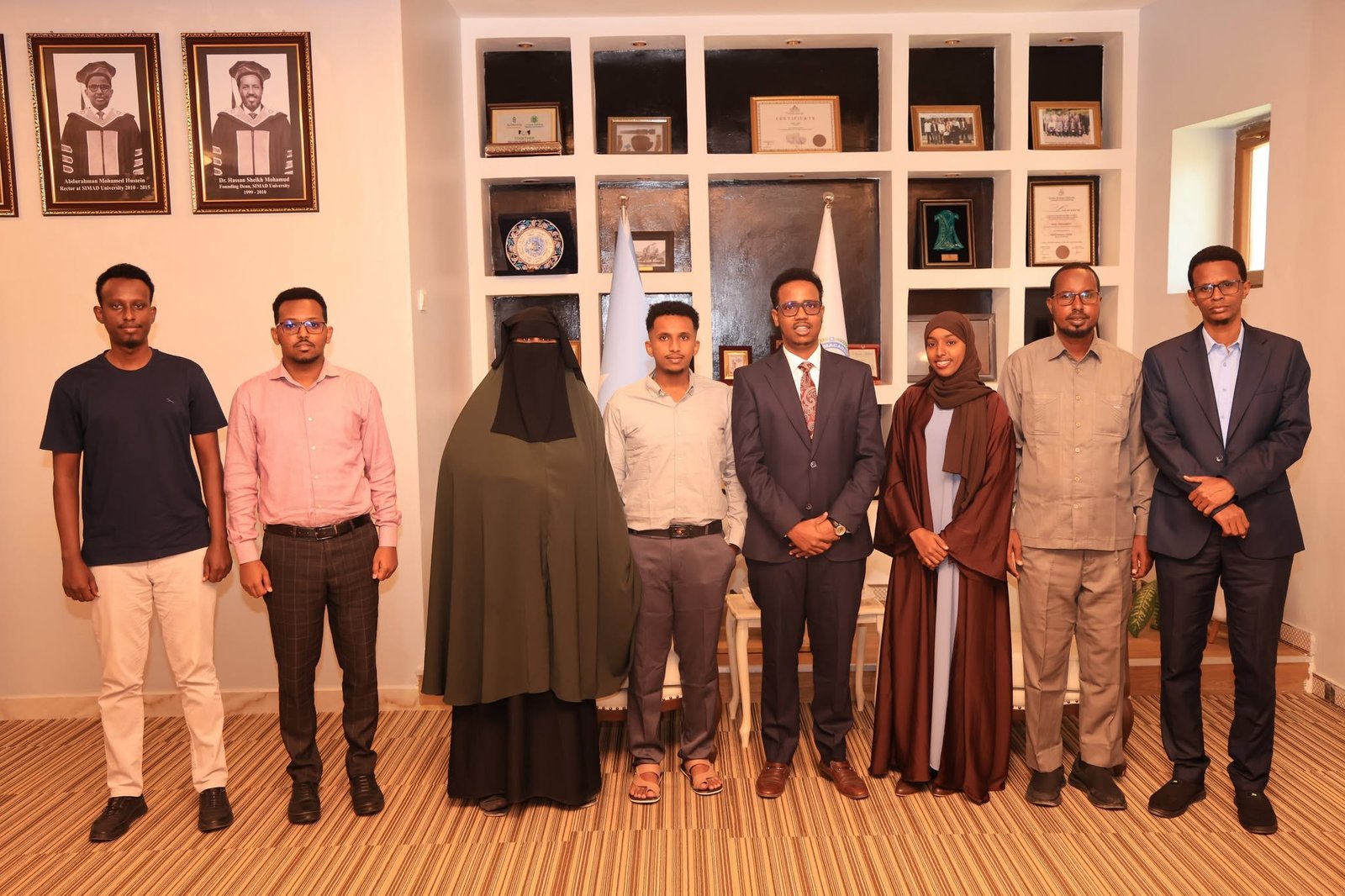
SIMAD provides opportunities for students to participate in Erasmus+ International Credit Mobility (ICM) with partner universities in Türkiye and European Union countries. This program allows students to study abroad for a short academic period, gain international academic experience, and engage with different learning environments and cultures.
To be eligible, applicants must:
The minimum accepted level is B1/B2.
Mobility opportunities are announced by the Office of International Cooperation.
Interested students submit the required application documents.
Applications are evaluated based on eligibility criteria, academic performance, and available mobility opportunities.
Selected students are nominated to the partner university.
Students prepare and approve a Learning Agreement before the mobility period begins.
Students applying for Erasmus+ mobility must submit the following documents:
Students must prepare a Learning Agreement before the mobility period begins. This document specifies the courses that will be taken at the host university. The Learning Agreement must be approved and signed by:
Students selected for Erasmus+ mobility receive financial support according to the Erasmus+ mobility guidelines. The grant typically contributes to:
SIMAD provides administrative support and necessary documentation to assist students with visa applications and mobility preparation. The host university provides information and support regarding accommodation options and local arrangements during the mobility period.
Students may participate in Erasmus+ mobility for one semester or one academic year, depending on the mobility agreement with the partner university.
Office of International Cooperation SIMAD University
international@simad.edu.so
+252 61 5655445
Connecting SIMAD University with international partners through academic collaboration, mobility, programs, and projects.